
Transform Your Health One Meal at a Time
Discover science-backed nutrition principles and practical daily eating strategies to support your wellness journey
The information on this site is for educational purposes only and does not constitute medical advice. Always consult a qualified healthcare professional before making health decisions.
Why Quality Nutrition Matters for Your Wellness
Proper nutrition is the foundation of vibrant health and sustained energy throughout your day. When you nourish your body with whole foods and balanced meals, you're investing in better sleep, clearer thinking, stronger immunity, and long-term wellness. Every meal is an opportunity to support your body's natural functions and optimise how you feel.
At Nutrition Wellness Guide, we believe that healthy eating shouldn't feel restrictive or complicated. Our approach focuses on practical, sustainable habits that fit into real life — whether you're juggling work, family, or busy schedules. Through evidence-based guidance and straightforward tips, we help you build a relationship with food that truly works for you.
Personalised Nutrition Insights
Tailored dietary advice based on your lifestyle, preferences, and health objectives
Practical Recipe Guidance
Easy-to-follow meal ideas and cooking tips that fit seamlessly into your daily routine
Evidence-Based Content
All our articles and tips are grounded in current nutritional science and real-world experience

Key Features of Our Approach
Whole Foods First
We prioritise real, unprocessed foods that nourish your body naturally. Learn how to build meals from wholesome ingredients that provide lasting energy and genuine nutrition.
Balanced Meal Planning
Understand how to combine proteins, healthy fats, and complex carbohydrates to create satisfying, nutritionally complete meals that keep you feeling full and energised.
Hydration Essentials
Discover the importance of proper hydration for metabolism, skin health, and mental clarity. We share simple strategies to make drinking water part of your daily wellness routine.
Plant-Based Nutrition
Whether you're vegetarian, vegan, or simply want to eat more plants, learn how to ensure you're getting all essential nutrients from a plant-focused diet.
Sustainable Habits
Build lasting eating patterns that work with your lifestyle. We focus on gradual, realistic changes that stick — not quick fixes that fade away.
Educational Resources
Access detailed articles, guides, and practical tips that help you understand the science behind good nutrition and make informed food choices every day.
This Week's Featured Recipes

Rainbow Vegetable Salad Bowl
A vibrant mix of seasonal vegetables, leafy greens, and a light vinaigrette. Packed with vitamins and fibre to support your digestive health and natural energy levels.
Explore Recipe →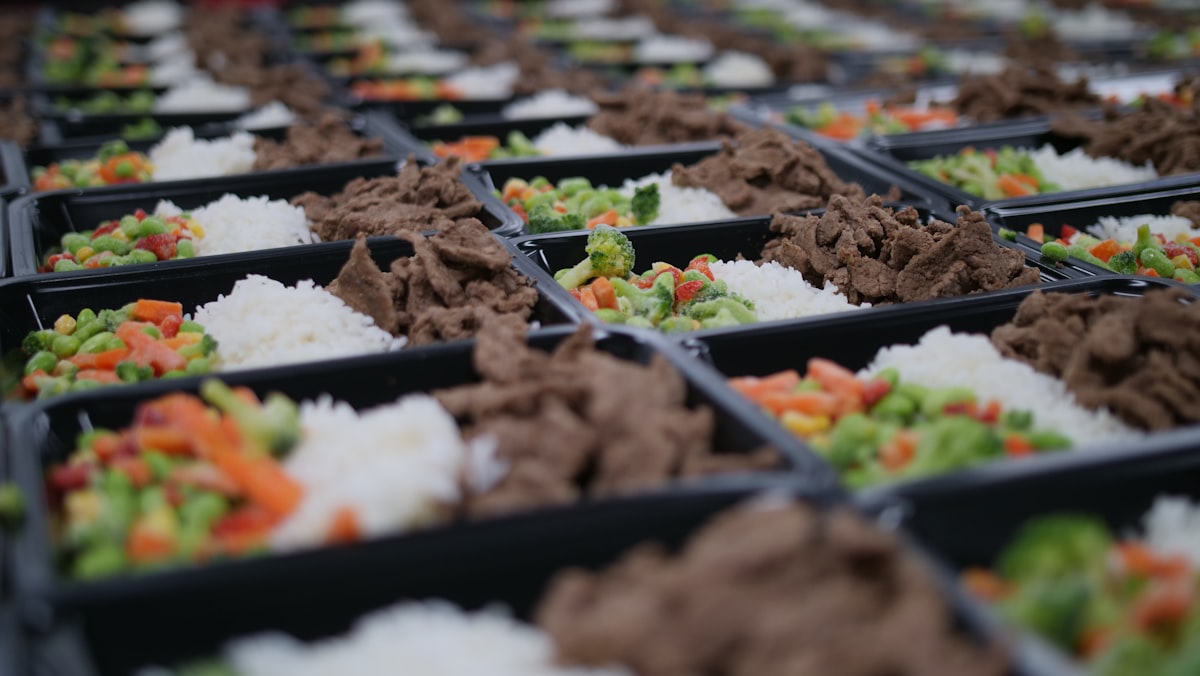
Quinoa and Black Bean Buddha Bowl
A complete protein-rich meal combining ancient grains, legumes, roasted vegetables, and creamy tahini dressing. Perfect for meal prep and sustained satisfaction.
Explore Recipe →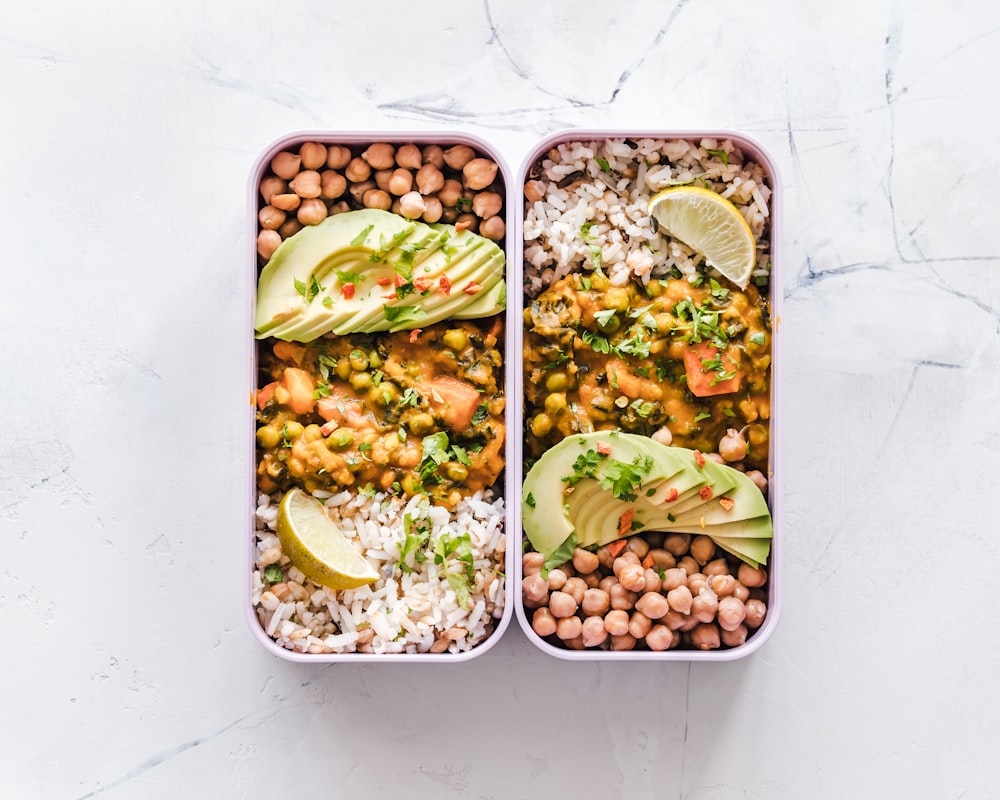
Baked Salmon with Roasted Root Vegetables
Omega-3 rich salmon paired with nutrient-dense root vegetables. A balanced dinner option that supports heart health and provides essential fatty acids for brain function.
Explore Recipe →Your 5-Step Journey to Better Eating Habits
Assess Your Current Eating Patterns
Start by understanding what you currently eat, when you eat, and how different foods make you feel. Keep a simple food journal for a few days to notice patterns. This awareness is the foundation for meaningful change and helps identify which habits support your wellness and which ones might be holding you back.
Set Realistic, Specific Goals
Instead of vague aims, define clear objectives. Rather than "eat healthier", try "include three servings of vegetables daily" or "drink two litres of water per day". Specific goals are measurable, achievable, and help you track progress. Focus on adding beneficial foods rather than purely restricting, which tends to be more sustainable.
Plan and Prepare Meals Mindfully
Dedicate time each week to plan your meals and prep ingredients. When nutritious food is readily available, you're far more likely to make healthy choices. Start with simple recipes you actually enjoy — nutrition doesn't have to be complicated. Consider batch cooking to save time during busy weekdays.
Learn to Read Labels and Choose Wisely
Understanding what's in your food empowers better decisions. Learn to read ingredient lists and nutritional information to identify added sugars, excessive sodium, and ultra-processed ingredients. This knowledge helps you choose whole foods and recognise truly nourishing options when shopping and eating out.
Review and Adjust Regularly
Check in monthly with your goals and notice how your body responds to dietary changes. Energy levels, sleep quality, digestion, and how your clothes fit all provide valuable feedback. Nutrition is deeply personal — what works for others might need tweaking for you. Stay flexible and celebrate small victories along the way.
Success Stories from Our Community
"Many users report that daily tips from Nutrition Wellness Guide have helped them approach meals differently. I've learned to enjoy cooking again, and I genuinely feel more energised throughout the day. The recipes are practical and actually taste amazing — this isn't restrictive eating, it's real nourishment."
Sarah Mitchell
London
"As someone with a hectic work schedule, I appreciated how straightforward and honest the guidance is. The articles help me understand nutrition without unnecessary jargon. I've made small changes that fit my lifestyle, and the results speak for themselves — better sleep, clearer skin, and consistent energy."
James Chen
Manchester
"I was overwhelmed trying to figure out what to eat, but the step-by-step approach made everything clear. The content is evidence-based without being preachy, and the recipe ideas are genuinely inspiring. My whole family has benefited from eating better together."
Emma Rodriguez
Birmingham
Common Nutrition Questions Answered
The "eight glasses a day" rule is a general guideline, but individual needs vary based on activity level, climate, and overall health. A practical approach is to drink enough so your urine is pale yellow throughout the day. Most adults benefit from two to three litres daily, but this includes water from food like fruits and vegetables. Listen to your body's thirst signals and adjust accordingly, especially if you exercise or live in a warm climate.
Good fats (unsaturated fats) support heart health, brain function, and nutrient absorption. These include olive oil, avocados, nuts, seeds, and fatty fish like salmon. Bad fats (trans fats and excessive saturated fats) can negatively impact cholesterol levels and overall cardiovascular health. These are often found in ultra-processed foods, fried foods, and some baked goods. A balanced diet includes more good fats and limits the harmful varieties. Reading ingredient labels helps you identify trans fats to avoid.
No — carbohydrates are an essential macronutrient providing energy for your brain and muscles. The key is choosing quality sources: whole grains, vegetables, fruits, and legumes provide fibre, vitamins, and minerals alongside carbs. These digest more slowly, providing sustained energy. Refined carbohydrates like white bread, sugary drinks, and pastries cause blood sugar spikes and crashes. Focus on whole grains (brown rice, oats, quinoa) and you'll benefit from carbohydrates without the energy rollercoaster.
Healthy eating doesn't require expensive superfoods. Focus on affordable staples: dried beans and lentils, seasonal vegetables, eggs, plain yogurt, oats, and frozen vegetables. Buy store brands and shop sales. Meal planning prevents waste and impulse purchases. Cooking at home is far cheaper than eating out. Frozen fruits and vegetables are just as nutritious as fresh and often less expensive. Buying in bulk when items are on sale extends your budget further. Simple, whole foods are naturally affordable — marketing and packaging add the cost.
Absolutely. Many plant-based foods provide complete or near-complete proteins. Combinations like beans with rice, hummus with whole-grain bread, or lentils with quinoa deliver all essential amino acids your body needs. Nuts, seeds, tofu, tempeh, and legumes are protein powerhouses. The key is eating a variety of plant-based proteins throughout the week and combining different sources. Many vegetarians and vegans thrive on plant-based diets when properly planned, with excellent energy and athletic performance.
Breakfast literally means breaking your overnight fast, and eating something nourishing jumpstarts your metabolism and brain function. Research shows breakfast eaters tend to have better focus, steadier energy, and are less likely to overeat later. A quick breakfast doesn't need to be complicated — a banana with nut butter, yogurt with berries, or toast with eggs take just minutes and provide lasting energy. Even if you're not hungry first thing, having something small within a couple of hours of waking is beneficial for most people.
Ready to Transform Your Nutrition?
Explore our comprehensive collection of articles, recipes, and practical tips. Discover how small, consistent changes lead to lasting wellness.
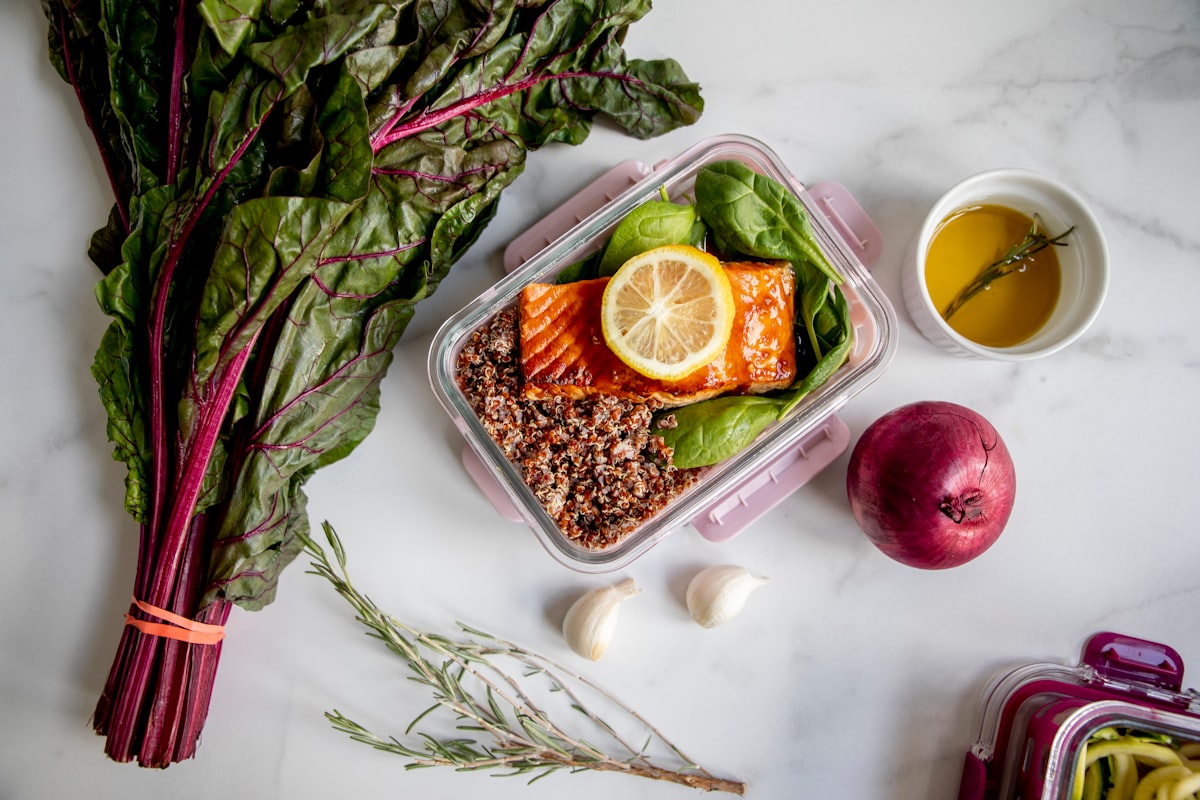
Meal Prep Inspiration Gallery

Grain Bowls
Smoothie Bowls
What Our Readers Say
"Nutritionwellnessguide completely transformed my approach to eating. The recipes are delicious and the nutrition information is incredibly detailed."
Sarah Mitchell
Health Coach, California
"I've tried many nutrition websites, but this one stands out for its science-based approach and practical meal planning guides."
James Rodriguez
Fitness Enthusiast, Texas
"Finally, a resource that explains nutrition without being overwhelming. The meal prep tips have saved me so much time!"
Emily Chen
Working Parent, New York
Start Your Wellness Journey Today
Subscribe to our newsletter for weekly recipes, nutrition tips, and exclusive wellness guides delivered to your inbox.
We respect your privacy. Unsubscribe at any time.
Frequently Asked Questions
Is your nutrition advice backed by science?
Yes, all our content is researched and reviewed by certified nutrition professionals and health experts to ensure accuracy and evidence-based recommendations.
Can I adapt recipes to dietary restrictions?
Absolutely! Most of our recipes include variations for vegan, gluten-free, keto, and other popular dietary needs. Check the recipe notes for alternatives.
How often is new content published?
We publish new recipes, nutrition articles, and wellness guides weekly. Subscribe to stay updated with the latest content.
Are your recipes budget-friendly?
Many of our recipes are designed with budget in mind. Look for our "Budget-Friendly" tag to find delicious meals that won't break the bank.